Trump’s Tanker Diplomacy: Challenges from Havana to Hormuz
As global geopolitical tensions escalate, former President Donald Trump encounters a host of complexities in navigating international waters. From the vibrant trade winds of Cuba to the oil-rich Strait of Hormuz, Trump’s strategy, commonly referred to as “tanker diplomacy,” is facing intense scrutiny. This multifaceted situation sheds light on the intricate balance of power and diplomacy that unfolds on the world’s oceans.
Navigating the Waters of Diplomacy
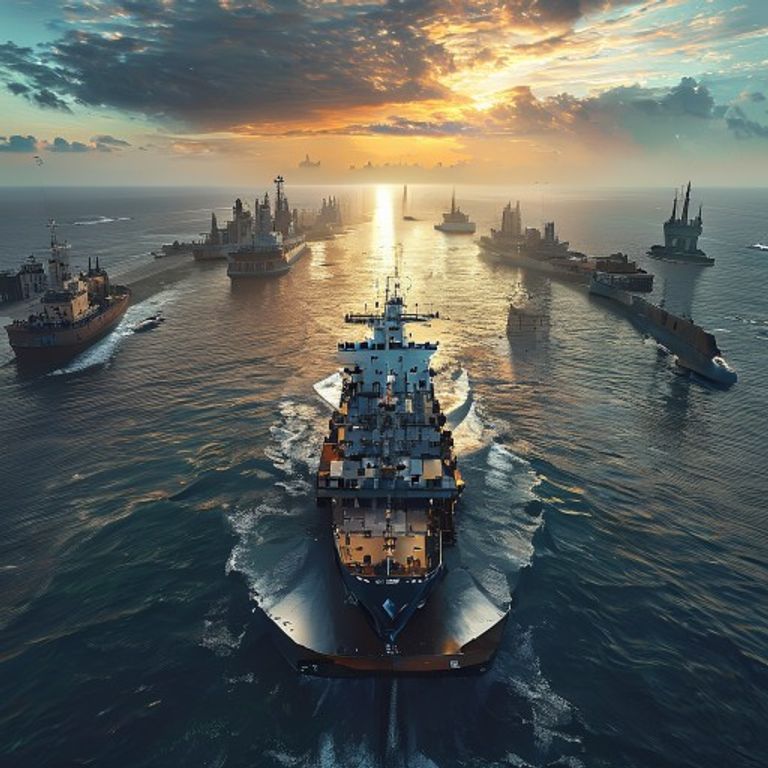
So, what exactly is tanker diplomacy? Essentially, it’s the use of oil tankers and key trade routes as tools of foreign policy. During Trump’s previous administration, this strategy was characterized by a strong emphasis on energy independence and leveraging international relations. He often positioned energy at the core of his diplomatic approach, seeking to align U.S. interests with those of its allies while isolating adversarial nations.
Challenges in Cuba: Renewed Tensions
Recently, U.S.-Cuba relations have resurfaced in the spotlight. Long-standing diplomatic strains have been reignited, especially concerning the island’s reaction to protests against its government and its ties with countries like Venezuela and Russia. While Trump’s stance on Cuba has fluctuated, tankers are certainly part of this narrative, as the U.S. closely monitors shipments of oil and goods that could potentially breach sanctions.
The uptick in Russian oil and gas supplies to Cuba has raised alarms in Washington. Many officials are concerned that Moscow might leverage Havana to enhance its influence in the Western Hemisphere, prompting the U.S. to reevaluate its maritime strategies. Although Trump’s tanker diplomacy isn’t officially back, its indirect influence is shaping responses to this growing challenge.
The Iranian Equation: Hormuz Under Pressure
Shifting our focus to the Middle East, the Strait of Hormuz remains a critical arena for tanker diplomacy. This narrow passage sees roughly 20% of the world’s petroleum flow, making its security vital for global energy supplies. During his presidency, Trump imposed stringent sanctions on Iran to curb its oil exports. However, the current Biden administration has hinted at a potential shift in strategy, leaving certain aspects of tanker diplomacy in flux.
As tensions between the U.S. and Iran persist, considerations for U.S. naval forces to protect tankers in Hormuz have gained traction. This not only highlights the passage’s strategic significance but also underscores the ongoing need for a robust response to safeguard maritime trade routes.
Impact of Geopolitical Strains on Tanker Diplomacy
The intersecting conflicts in Cuba and Iran present a unique set of hurdles for Trump’s tanker diplomacy. His previous focus on energy independence was designed to enhance U.S. standing in global markets while reducing reliance on foreign oil. However, recent geopolitical shifts are putting this strategy to the test.
Energy Independence vs. Global Obligations
A key challenge for Trump lies in finding the right balance between promoting U.S. energy independence and meeting obligations to allies. European countries, reliant on Middle Eastern oil, are understandably worried that disruptions in the Strait of Hormuz could trigger a global energy crisis. Effective tanker diplomacy will need to address these anxieties while protecting U.S. interests.
Moreover, the Biden administration’s focus on climate change and renewable energy sharply contrasts with Trump’s previous reliance on fossil fuels. This divergence invites discussions about how tanker diplomacy can adapt to current and future demands in energy and climate concerns.
International Partnerships: Allies and Adversaries
In the complex world of tanker diplomacy, building alliances is crucial. Historically, the U.S. has partnered with countries like Saudi Arabia to ensure stability in oil supplies. However, nations like Russia and China are gaining ground in markets that the U.S. once dominated. This shifting dynamic raises questions about how Trump and his team would revitalize alliances while countering adversarial pressures.
Far-Reaching Implications of Tanker Diplomacy
The ramifications of strategic tanker diplomacy extend well beyond mere trade agreements. Decisions regarding oil exports and security in pivotal regions have profound implications for economic stability globally. Natural disasters, such as hurricanes in the Gulf of Mexico, can threaten supplies, further inflaming tensions. Meanwhile, China’s insatiable appetite for oil and gas complicates the already delicate balance of power, particularly given its increasing investments in Africa and its Belt and Road Initiative.
Potential for Armed Conflict
The tense environment surrounding regions like Hormuz carries risks that could potentially lead to armed conflict. Any significant incidents involving tankers—whether through piracy or direct confrontation—could dramatically heighten tensions. The failure to protect critical energy routes presents not only a political challenge but also a potential flashpoint for war. Should Trump re-enter the political arena or influence policy, addressing these risks will be vital within his approach to tanker diplomacy.
FAQ
What is tanker diplomacy?
Tanker diplomacy refers to the strategic use of oil tankers and maritime routes in international relations, particularly for exerting influence or negotiating trade agreements between nations.
How does it affect U.S. foreign policy?
Tanker diplomacy impacts U.S. foreign policy by shaping its engagement with oil-exporting nations, forming economic alliances, and influencing national security related to critical maritime routes.
What are the current challenges faced by tanker diplomacy?
Current challenges include tensions with Cuba and Iran, ensuring energy security in the Strait of Hormuz, balancing climate initiatives while pursuing energy independence, and navigating evolving relationships with international allies and adversaries.
Why is the Strait of Hormuz significant?
The Strait of Hormuz is significant as one of the world’s most critical maritime chokepoints, through which a large portion of global oil trade flows. Security in this area is essential for the stability of global energy supplies.
Conclusion
As challenges continue to accumulate from Havana to Hormuz, Trump’s approach to tanker diplomacy must adapt to an increasingly complex and interconnected global landscape. The interplay of energy policy, international relations, and maritime security exemplifies the challenges of contemporary diplomacy. Whether Trump can effectively navigate these turbulent waters remains uncertain, but the stakes for U.S. interests and global stability have never been higher.