Spain’s Energy Resilience Amid Trump-Iran Trade Tensions
As the global geopolitical landscape continues to evolve, Spain finds itself at a vital junction, showcasing its resilience in energy strategy against a backdrop of uncertainty. With the ongoing ramifications of Trump-era sanctions on Iran affecting global trade, how Spain secures its energy supply is attracting significant interest. This article delves into Spain’s approach to navigating its energy landscape while contending with the challenges presented by trade tensions related to Iran.
The Current Geopolitical Climate
The conflict in Iran and the strained ties formed during former President Donald Trump’s administration have sent shockwaves through international trade, particularly in the energy sector. Sanctions that limit Iran’s oil exports have forced many nations to rethink their energy dependencies. Spain, alongside other European countries, finds itself in a delicate position where the need for stable energy resources collides with these geopolitical tensions.
Spain’s Response to Energy Challenges
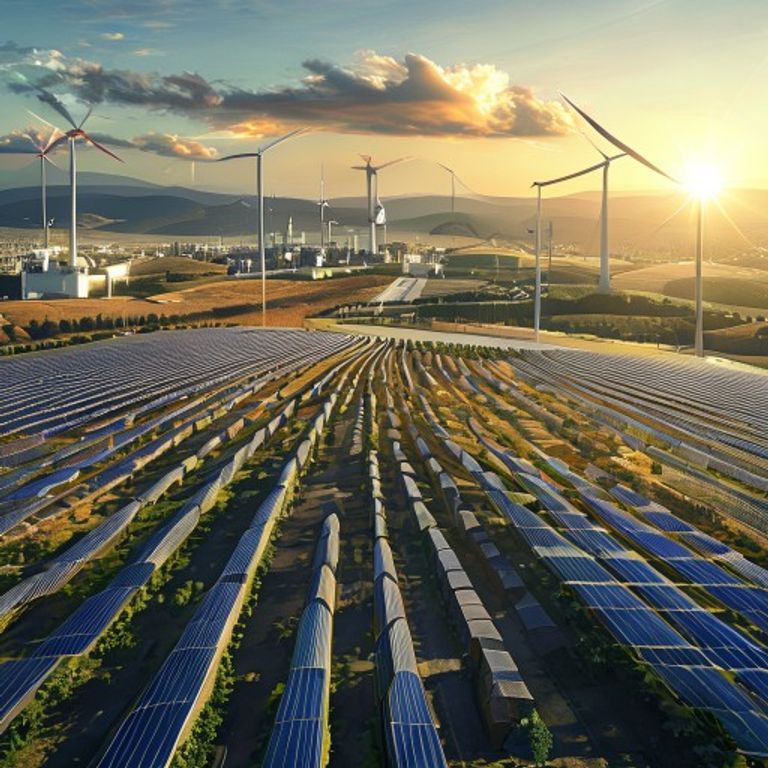
In light of these challenges, Spain is taking bold steps towards energy resilience. By diversifying its energy sources, the country aims to shield itself from the disruptions tied to geopolitical changes. Spain’s commitment to harnessing renewable energy, especially solar and wind, places it at the forefront of sustainable energy initiatives.
The Spanish government has set high aspirations, aiming for an impressive 74% of its electricity generation to come from renewable sources by 2030. This transformation not only strengthens Spain’s energy resilience but also reduces its reliance on oil imports from regions plagued by conflict.
A Focus on Renewable Energy
Spain’s dedication to renewable energy has not only fortified its energy security but has also addressed pressing environmental concerns. By investing in solar and wind power, Spain has made significant strides in reducing its carbon footprint. Notably, the country is home to the largest solar plants in Europe, playing a key role in its electricity production.
The Role of Government Policies
The Spanish government has rolled out a variety of policies designed to bolster the renewable energy sector. Incentives such as tax breaks and subsidies have spurred investment in this area. This has led to a remarkable surge in renewable installations across the nation, from wind farms in Galicia to solar projects in Andalusia.
At a time when global energy prices are on the rise, Spain’s focus on developing local energy sources has helped it maintain relatively stable prices for consumers, even as other countries grapple with the rising costs stemming from sanctions on Iran.
Energy Security Strategies
In addition to investing in renewables, Spain has adopted measures aimed at enhancing its overall energy security. Through collaboration with European partners, the country is striving to build a more integrated energy market. These efforts are geared towards creating a robust framework for energy exchange, ensuring that Spain can more efficiently import and export energy.
Collaboration with the European Union
Spain’s alignment with EU energy policies enhances its push for energy resilience. Initiatives like the European Green Deal not only tackle climate change but also strengthen energy security among member states. By sharing resources and expertise, EU nations can better manage their energy dependencies and foster greater stability.
Furthermore, enhancing interconnections between Spain’s energy systems and those of neighboring countries bolsters this security. The increased use of liquefied natural gas (LNG) terminals has positioned Spain favorably in the global gas market, providing a cushion against disruptions from Iran or other conflict zones.
Trade Tensions and Market Reactions
The trade tensions resulting from Trump-era policies toward Iran have had wide-ranging effects, particularly in the realm of energy prices. As sanctions tighten, Spain must deftly navigate the shifting sands of energy costs driven by global market reactions.
Impacts on Trade and Energy Costs
As Spain’s energy resilience is put to the test amid rising costs linked to these geopolitical strains, the fluctuation in oil and gas import prices can have direct repercussions for consumers. However, due to its diversified energy strategies, Spain has managed to cushion some of these impacts by leveraging its renewable resources and decreasing reliance on imported fuels.
Looking ahead, while energy prices may experience fluctuations, Spain’s substantial investments in domestically produced renewable energy serve as a valuable buffer. This strategy allows consumers to enjoy relatively stable energy prices, especially in comparison to many of their European counterparts.
Future Directions for Energy Resilience
As Spain looks to the future, its commitment to enhancing energy resilience is poised to grow even stronger. The continued development of infrastructure—especially in renewable technologies—will be crucial in navigating any upcoming uncertainties. Ongoing investments in research and development will be essential for fostering innovation in energy efficiency and renewable sources.
The Role of Public Awareness and Support
Public support will be vital in driving Spain’s energy policies forward. Educational campaigns highlighting the benefits of renewable energy can help deepen the connection between citizens and their energy choices. This grassroots engagement will be critical in promoting sustainable practices and garnering support for future initiatives.
FAQ
How is Spain ensuring energy resilience amidst global tensions?
Spain is focusing on diversifying its energy sources, investing in renewable energy such as solar and wind, and collaborating with EU partners to enhance energy security.
What impact do Trump-era tensions have on Spain’s energy market?
The tensions have led to increased energy prices globally, but Spain’s investments in renewable energy have helped stabilize its energy costs and reduce dependency on imports.
What are the main renewable energy sources in Spain?
Spain primarily utilizes solar and wind energy, with significant investments in both sectors helping meet its ambitious energy targets.
Is Spain part of a larger European energy strategy?
Yes, Spain collaborates with the European Union on energy policies designed to promote energy security and sustainability among member states.
Conclusion
Spain’s proactive strategy for energy resilience in the face of international trade tensions from the Trump-Iran saga is admirable. By increasingly relying on renewable energy and implementing robust government policies, Spain is setting a powerful example of how nations can effectively navigate geopolitical challenges while securing their energy futures. As it continues to innovate and prioritize energy independence, Spain not only boosts its own resilience but also shines as a beacon of hope for others facing similar issues.