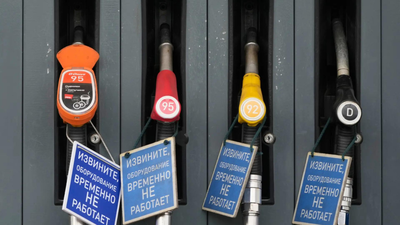
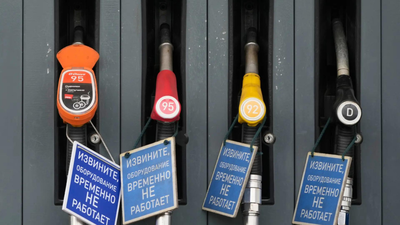
Russia is facing an unprecedented fuel shortage after months of Ukrainian drone strikes damaged oil refineries and disrupted supplies, leading to fuel rationing, long queues at petrol stations and rising prices across several regions.Fuel rationing has been introduced in many parts of the country, with authorities limiting purchases and, in some cities, providing temporary facilities for motorists waiting in long queues.The shortages have brought the impact of the war closer to ordinary Russians, prompting a rare public acknowledgement from President Vladimir Putin.“Problems persist for both motorists and businesses,” Putin said, adding that “there are still queues at petrol stations, and finding the right grade of petrol isn’t always easy.” He maintained the shortages were “not critical” and “temporary”.An analysis by The Associated Press found Ukraine has carried out more than 50 reported attacks on Russian oil refineries, depots, terminals and other energy infrastructure since late March, with several facilities struck multiple times.According to Energy Intelligence analyst Gary Peach, Russia’s crude processing in June fell 25 per cent year-on-year to 3.95 million barrels per day, the lowest level in more than two decades. Gasoline production dropped 17 per cent to about 850,000 barrels per day from 1.03 million barrels a year earlier. “The outages are extraordinary,” Peach said.Chris Weafer, CEO of Macro-Advisory Ltd., estimated that about one-third of Russia’s refining capacity is currently offline, citing industry sources. “It comes at a very critical time for the Russian economy,” Weafer said, noting that the agricultural harvest season is increasing fuel demand.Ukrainian officials said the strikes were intended to weaken Russia’s military logistics and pressure Moscow to end the war.By late June, some form of fuel rationing had been reported in more than half of Russia’s regions. The government has restricted exports of gasoline and aviation fuel and is considering limiting diesel exports as well. Kremlin spokesman Dmitry Peskov said Russia was also exploring fuel imports from other countries to help “stabilise the market” and reduce panic-buying.The shortages have also spread to Siberian regions, although refineries there have not been directly attacked. Local authorities in Irkutsk introduced measures to manage long queues, while public transport fares were raised due to higher fuel costs.Despite the shortages, Putin said Russia’s gasoline reserves are only 4 per cent lower than a year ago.Weafer said fuel stocks remain available but are unevenly distributed. “There should be enough, but it will take several weeks to get it from where it is to where it’s needed,” he said.Analysts also warned repairs to damaged refineries will be slow because many specialised components are imported and difficult to replace under Western sanctions. “They won’t get back to winter levels of refining this summer,” Peach said, adding that some facilities may not be fully repaired until there is a ceasefire because they risk being targeted again.