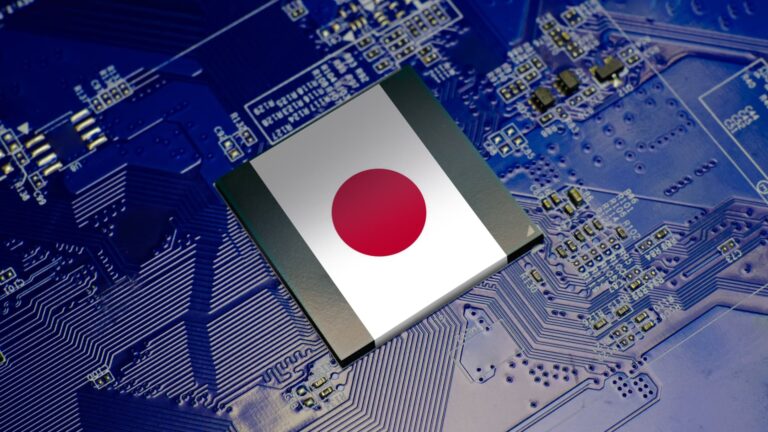
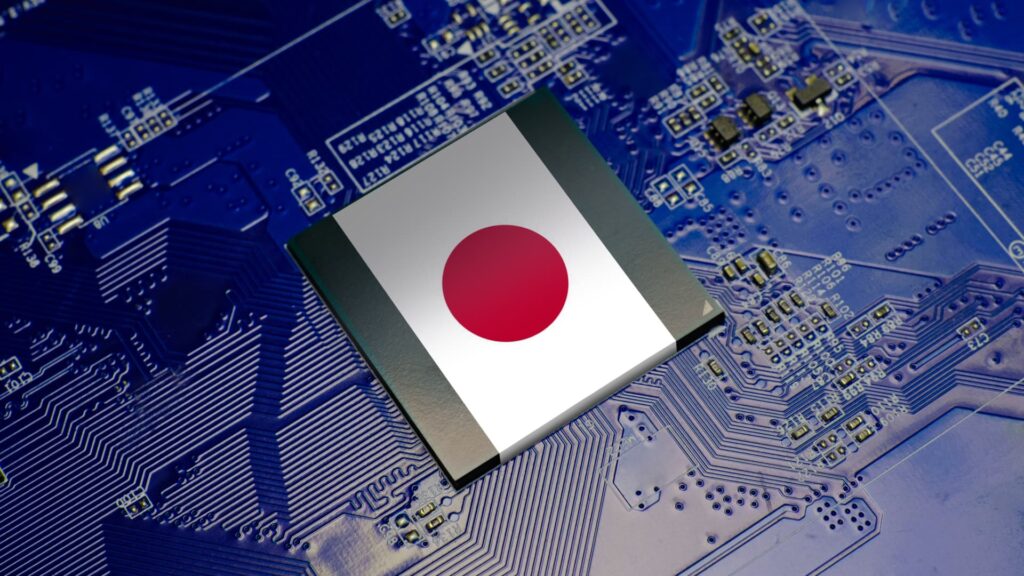
Japan is looking to revitalize its semiconductor industry. The Japanese government has unlocked billions of dollars in subsidies for its domestic chip sector.
Thicha Studio | Istock | Getty Images
Semiconductor shipments continued to power Japan’s exports in July, helping clock the fastest growth since October 2022, beating expectations.
Exports growth accelerated for a fifth straight month, coming in at 23.2%. Economists polled by Reuters had estimated growth at 19.9%.
Shipments of semiconductor equipment posted a massive 49.1% jump in value, reflecting continued demand, boosted by the artificial intelligence boom.
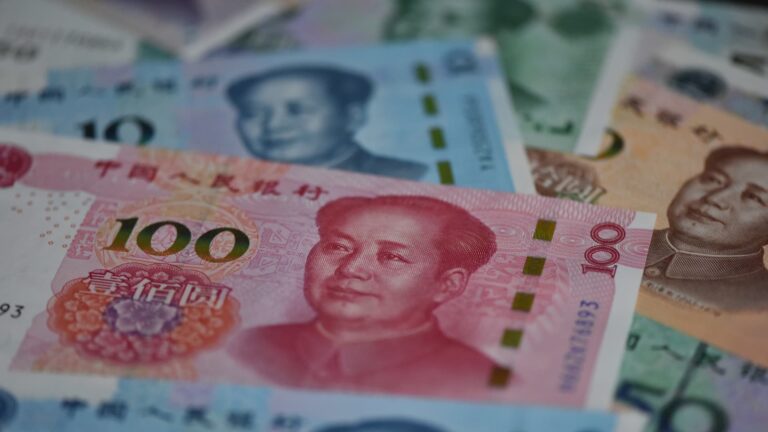
In terms of destinations, shipments to China — Japan’s largest trading partner — rose 25.8%, while exports to the U.S. climbed 22%.
Despite seeing export values grow, the gains were mostly due to a weak yen and higher selling prices, with volumes only rising 5.2% in July.
The benchmark Nikkei 225 gained 0.64% after the data release, while the yen weakened 0.11% against the dollar to trade at 158.35.
Strong exports over the past few months have been instrumental in supporting Japan’s GDP. On a year-on-year basis, the economy grew at 0.7% in the second quarter, compared to 0.5% in the first three months of the year.
While GDP missed expectations on a quarter-on-quarter and annualized basis, exports helped soften the impact, with the sector being the largest contributor to economic growth.
Imports to Japan in July climbed 27.8%, the highest level since November 2022, also beating analysts’ estimates of a 26.5% gain. Due to the Iran war, the country saw a 87.8% surge in petroleum imports by value as oil prices climbed.
Japan meets over 87% of its energy needs via imports, according to the International Energy Agency.