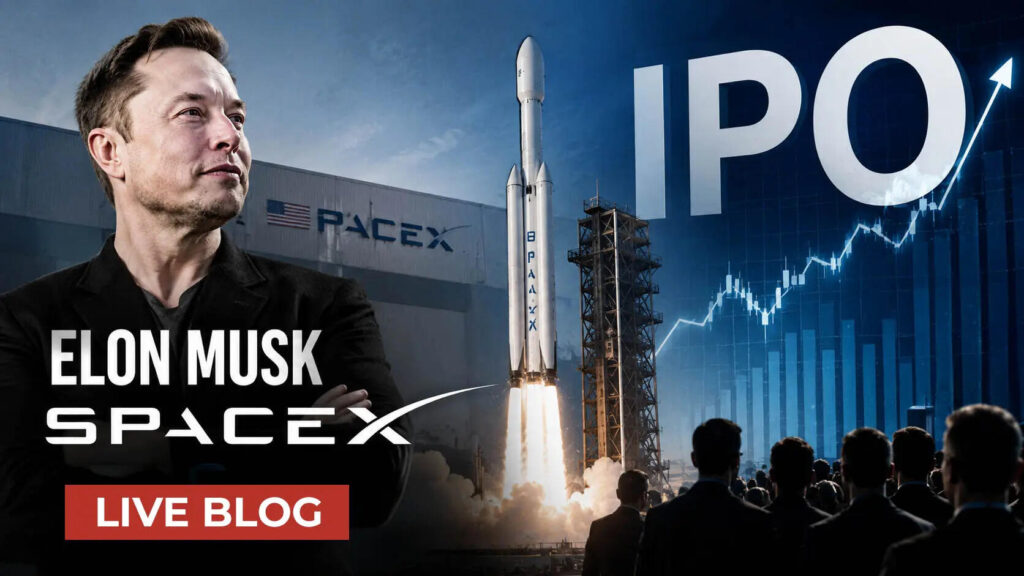
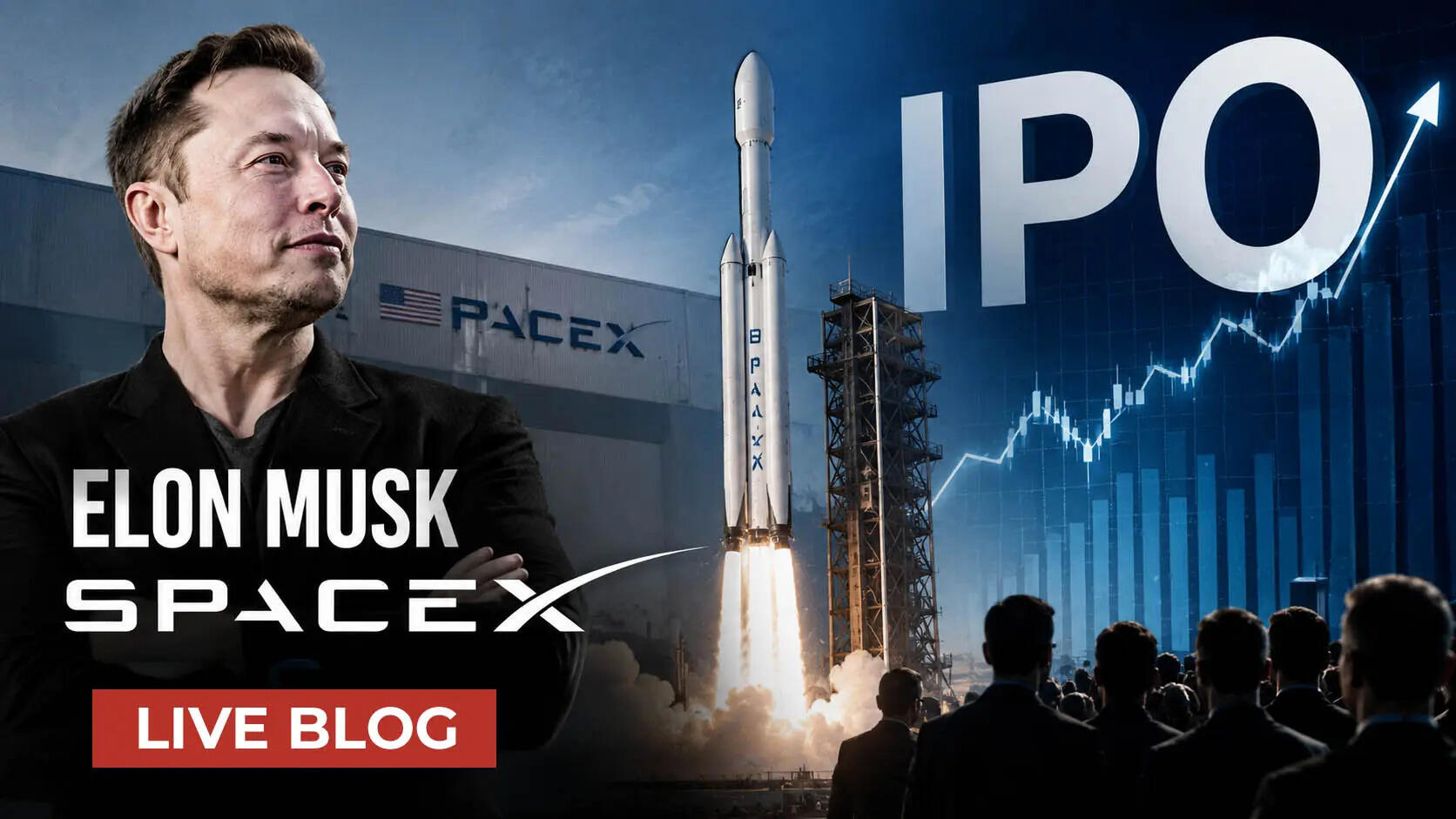
If the stock surges after listing, as many investors expect, SpaceX could quickly climb the ranks of the world’s most valuable publicly traded companies.
The debut has also reignited speculation over Musk becoming the world’s first trillionaire. The billionaire entrepreneur already sits atop global wealth rankings, and the soaring value of his SpaceX stake could push his net worth into uncharted territory once trading begins.
Yet the IPO is about far more than eye-popping valuations and record-breaking numbers.
Founded in 2002, SpaceX has evolved from an ambitious startup trying to cut the cost of space travel into a company at the centre of the modern space economy. Its businesses now span reusable rockets, satellite internet services through Starlink, artificial intelligence initiatives and government contracts with NASA and the Pentagon.
The funds raised from the offering are expected to fuel the next phase of that expansion. Musk has repeatedly outlined plans to dramatically scale Starlink, grow SpaceX’s launch capabilities and accelerate the development of Starship, the next-generation rocket designed for missions to the Moon and, eventually, Mars.
The company’s prospectus lays bare the scale of those ambitions. SpaceX spent more than $20 billion in 2025 across its various operations and aims to expand Starlink’s constellation from roughly 9,600 satellites currently in orbit to as many as 100,000 in the years ahead.
Despite reporting strong revenue growth, SpaceX remains in investment mode, pouring billions into technologies that Musk believes could one day make humans a multi-planetary species.
As investors await the opening bell, the SpaceX listing is shaping up to be more than just another IPO.