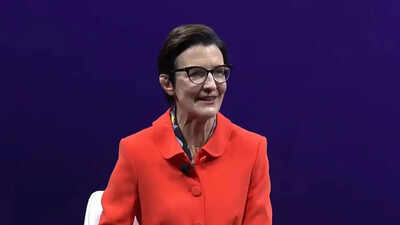
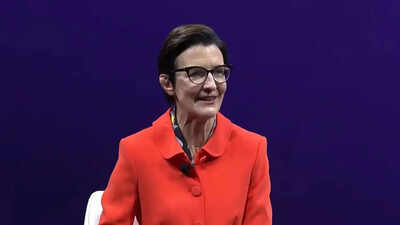
MUMBAI: Citi’s global CEO Jane Fraser has said that India should not “sell itself short” by focusing disproportionately on short term challenges. It should rather focus on execution and stay confident about its long-term story.Speaking at the Citi India conference, Fraser said that while near-term headwinds persist, the structural case for India remains compelling and widely recognised by global investors. “Sometimes, domestically, there is a tendency to focus disproportionately on short-term challenges. Those exist in every market. But when you step back and look at the structural drivers-demographics, digital infrastructure, policy continuity, and capital formation-the picture is very compelling. International investors see that clearly. So the narrative within India should reflect that strength more confidently,” she said.
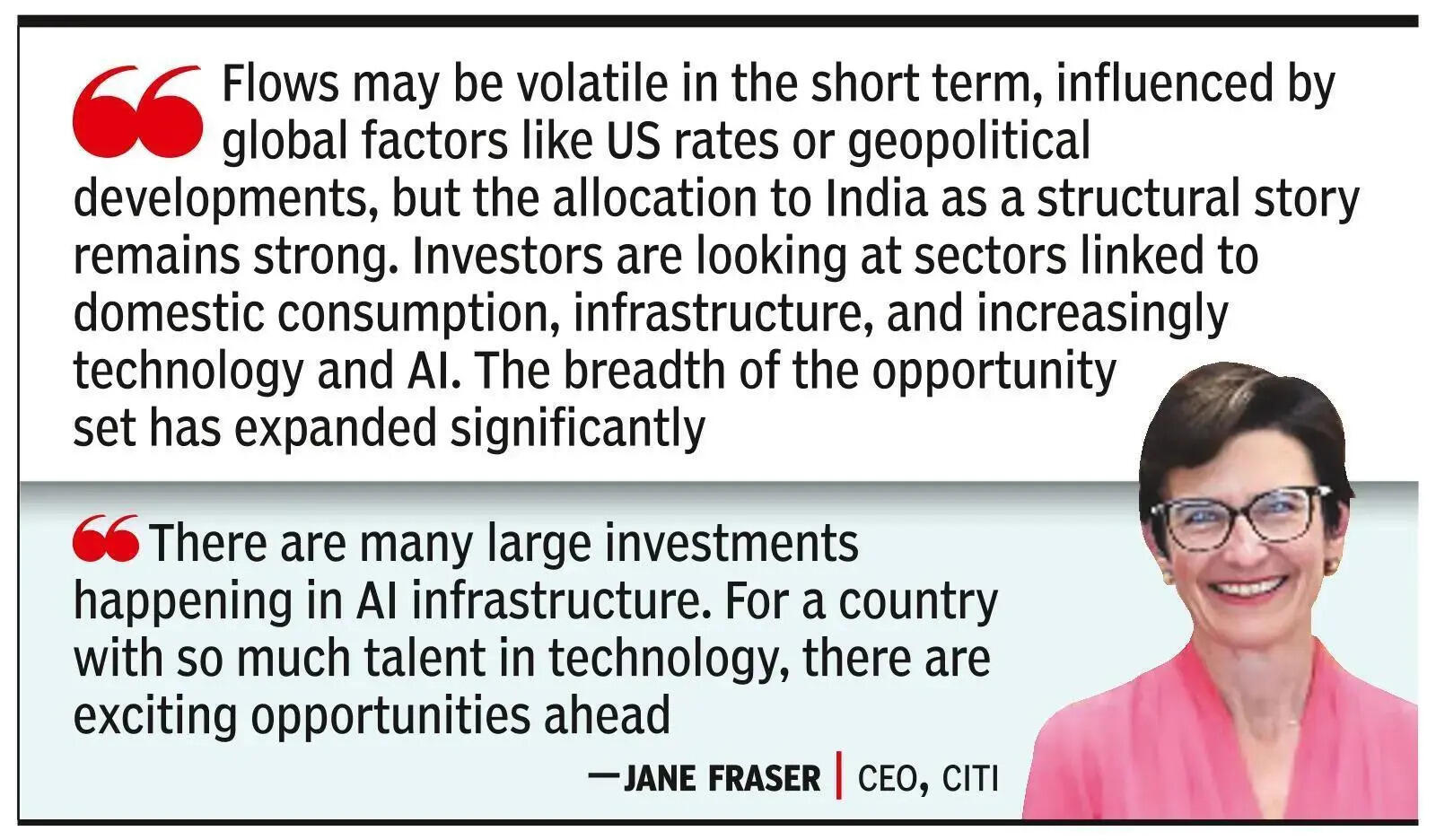
Fraser emphasised that India’s approach to growth sets it apart from many developed economies. “There are countries and there are companies that protect what they have and in the process they somewhat diminish what they have. Sadly, my original country, the UK, is one of those… many countries in Europe are one of those at the moment. Then there are countries and companies where they build what they need, even if that means constructing what they have. That’s India… it may not always get star points. Doesn’t matter because you get the results,” she said.Highlighting investor sentiment, she noted continued global interest in India despite intermittent volatility. “Flows may be volatile in the short term, influenced by global factors like US rates or geopolitical developments, but the allocation to India as a structural story remains strong. Investors are looking at sectors linked to domestic consumption, infrastructure, and increasingly technology and AI. The breadth of the opportunity set has expanded significantly,” she said.Fraser also pointed to the scale of investments underway in emerging technologies. “There are many large investments happening in AI infrastructure. For a country with so much talent in technology, there are exciting opportunities ahead,” she said, adding that AI itself presents a dual challenge-driving growth while managing risks.Fraser said that the current phase of global economic change is being shaped by corporate agility. “The source of resiliency in the global economy in the last few years-that’s been companies… the adaptability and resiliency of companies that adjusted supply chains, that have had the balance sheet flexibility… we’ve all learned how to be agile, not just resilient but on the front foot,” she said.She added that rapid technological and economic shifts are accelerating dealmaking activity. “When things move so fast, it’s cheaper to acquire things than to try and build it yourself in many instances… in a world where scale really matters, speed is almost as critical,” she said, noting that M&A is increasingly being used to gain capabilities quickly. At the same time, she flagged strong capital-raising trends as companies invest in “growth, capex, and infrastructure”.