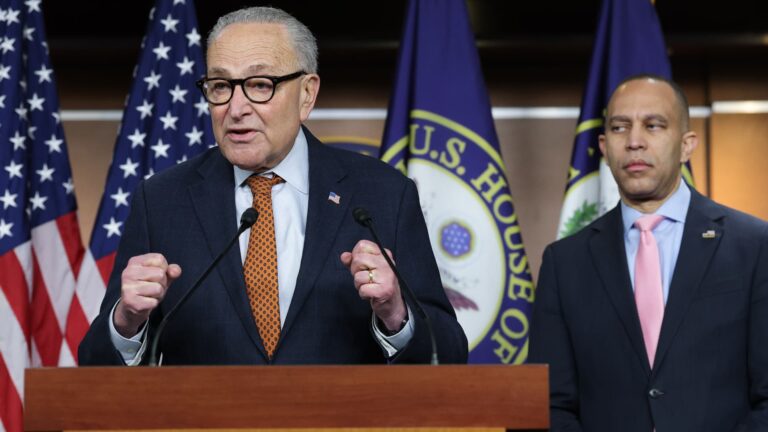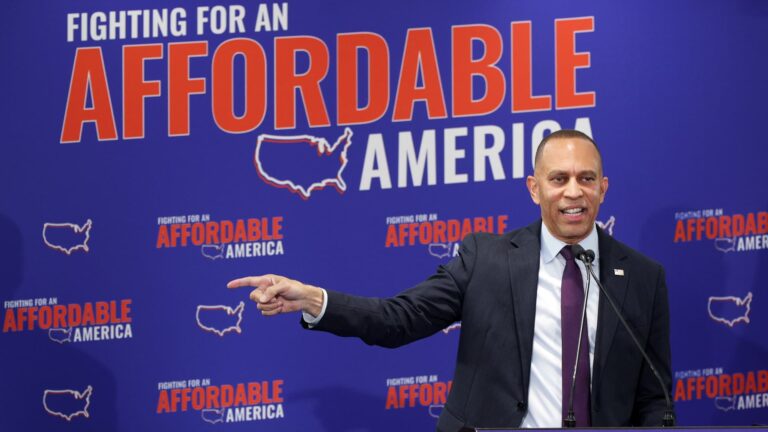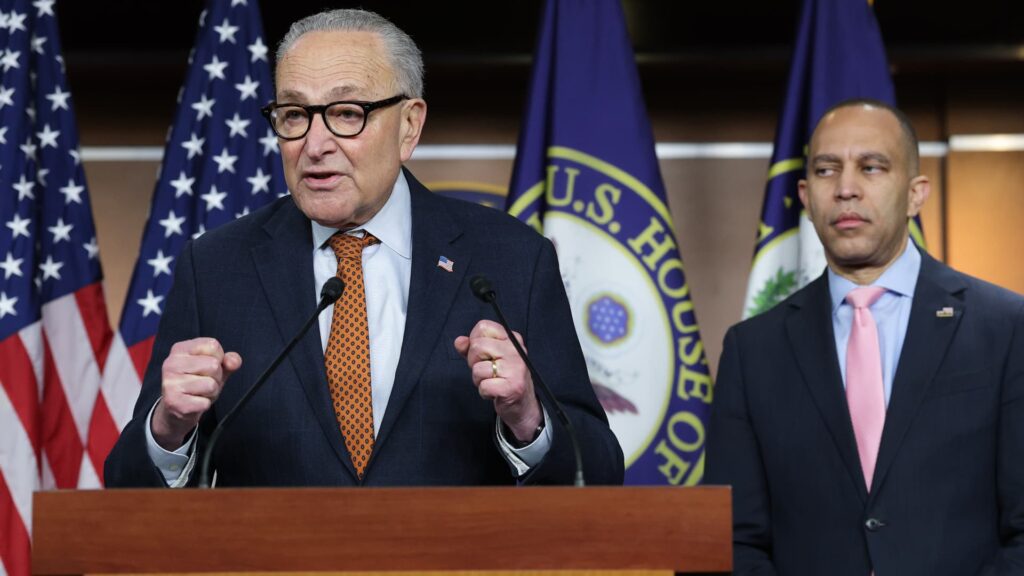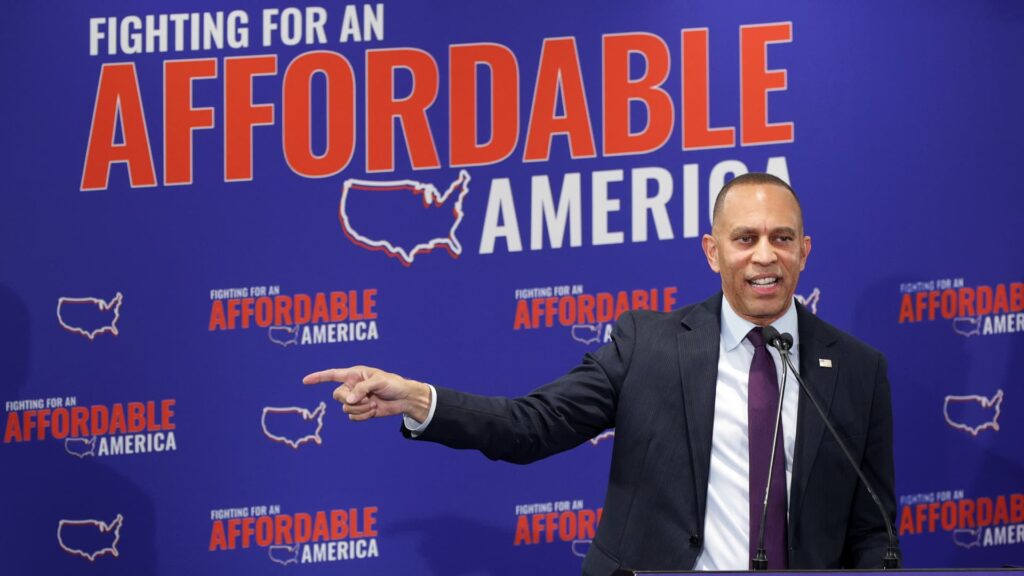
Many of the biggest technology companies are surging on Wednesday, after Democrats scored a seismic victory in the midterm elections, flipping both the House and Senate.
During trading on Wednesday, Amazon surged 8%, Google rose over 6%, Microsoft rose 4%, Meta was up 3%, and Apple — which faced Trump’s tariffs and recently got refunds — climbed nearly 7%.
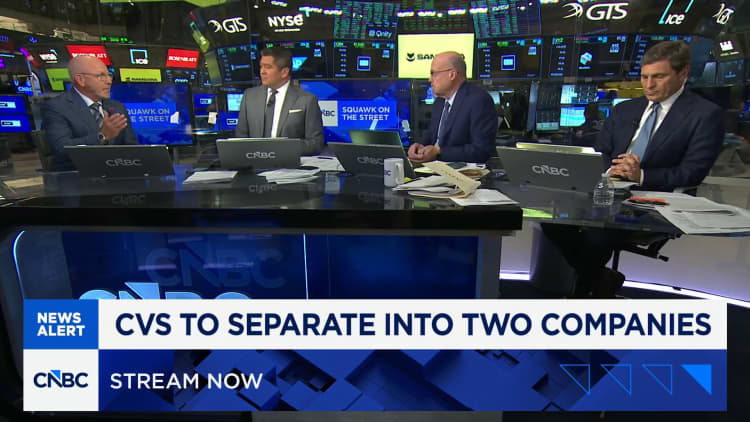
Tuesday’s results remove uncertainty in the market, David Kelly, chief global strategist at JPMorgan Asset Management, said on “Squawk on the Street.”
He said the divided government would lead to “moderation in growth, moderation in inflation, less uncertainty, and I think that’s all helping the stock market move up today.”
However, some stocks, particularly those tied to Trump advisor Elon Musk as well as the AI data center buildout, fell on Wednesday.
As results came in last night, some observers saw bad news for big technology companies because of their bets to build large AI-focused data centers. There were 41 local ballot measures on Tuesday to place restrictions or clear the way for AI data centers, and voters sided against data centers in 40 of them. In a CNBC Voter Poll, 56% of voters said data centers were a crucial or major factor in their voting decision.
Analysts said that Democrats who proposed data center moratoriums won gubernatorial races in Texas, Georgia, and Ohio, raising fears that projects could get snarled in regulation or blocked by politicians.
“Recall that backup power emissions, zoning, water, interconnect/grid, and tax considerations are often overseen by state regulators,” Macquarie analyst Paul Golding said in a note on Wednesday.
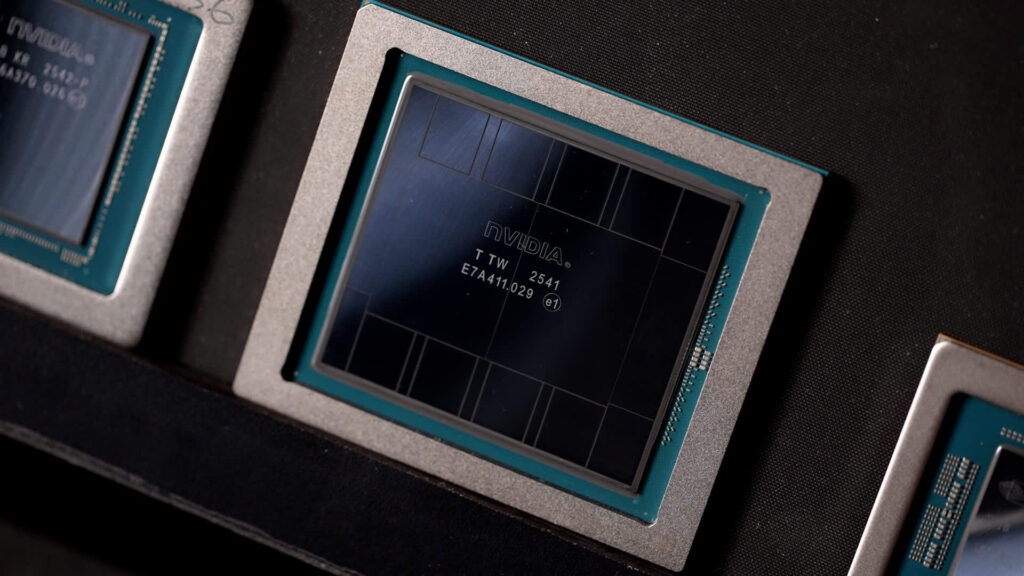
Tesla stock fell 2%, and SpaceX was down 3%. Nvidia, which makes the chips for most of these AI data center projects, slipped just over 1%.
Many of the technology stocks rising on Wednesday are what are known as hyperscalers, or the largest cloud providers that also pair massive capex spending with robust free cash flow and have the most experience and capability to construct AI data centers.
“We believe higher regulatory barriers entrench incumbents, and increase risks (and raise required ROICs) for new entrants,” wrote Needham analyst Laura Martin in a note on Wednesday. “Hyperscalers are AI incumbents.”
Smaller AI cloud providers, often called neoclouds, got whacked on Wednesday. CoreWeave stock fell 10%. Baird analysts said in a note that the election results create a “sentiment headwind” for neoclouds.
Golding, the Macquarie analyst, wrote that he remains bullish on AI infrastructure, and that well-capitalized, high-quality operators stand to benefit the most if projects in some states slow down.
“Neoclouds may pay more to lease powered shells for GPUaaS commitments (and pass on costs), while hyperscaler/AI lab capacity needs could intensify competition for even more limited supply,” Golding wrote.
Tuesday’s results could signal restrictions on new data center developments in some states, but it doesn’t necessarily signal a nationwide slowdown in construction, Chris Miglino, CEO of Axe Compute, said in an email. Companies are still raising capital, enterprises are spending, and there’s still a need for more capacity.
Miglino said that increased regulation in some regions could cause investors and customers to look more closely at different cloud computing providers, and opt for those with the capability to deliver capacity, or which offer AI inference to a specific industry niche.
“If you’ve already secured power, have the financing in place and understand how to deploy and operate compute infrastructure efficiently, you’re in a much stronger position than a company that’s still trying to figure those things out,” Miglino said.