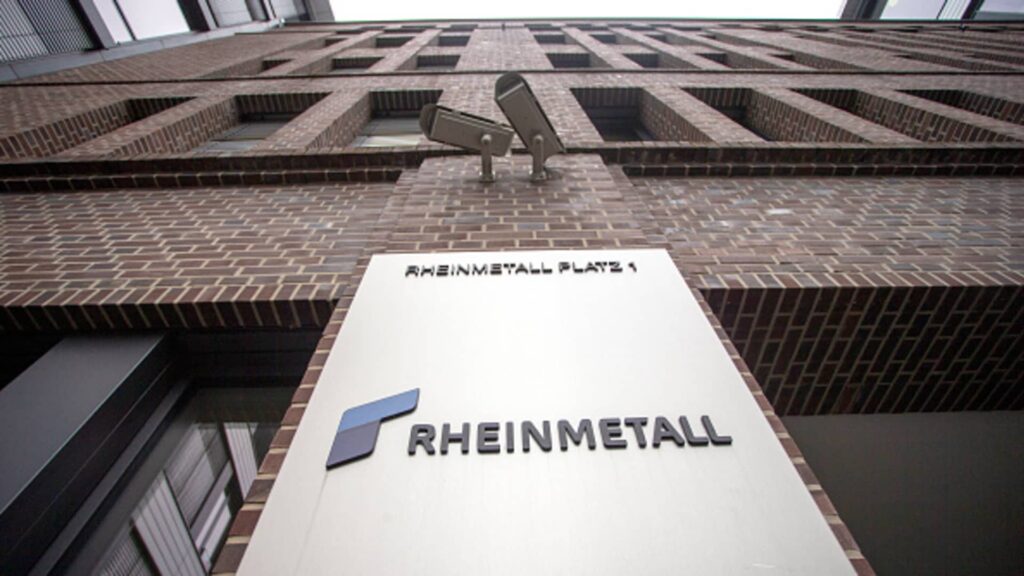
The Rheinmetall AG logo can be seen in front of the headquarters.
Picture Alliance | Picture Alliance | Getty Images
Hello, this is Anniek Bao writing to you from Singapore. Welcome to another edition of CNBC’s Daily Open.
Investors in Europe have a full plate today, with a stacked earnings docket stretching from Tokyo to Frankfurt. Meanwhile, diplomacy is inching forward over the Strait of Hormuz, and a Federal Reserve policymaker is warming to future rate hikes.
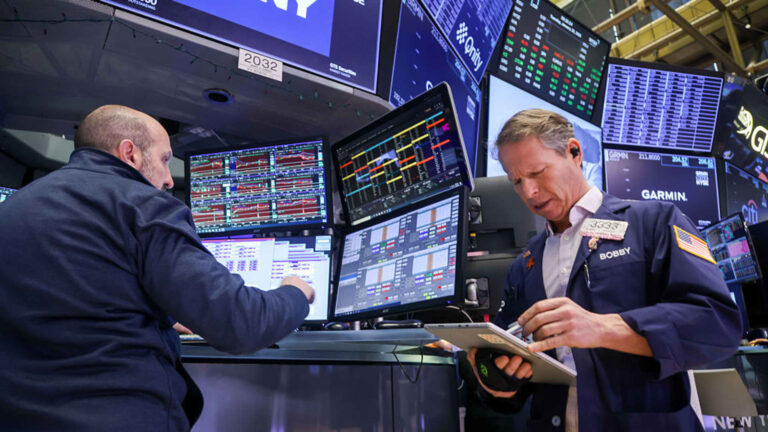
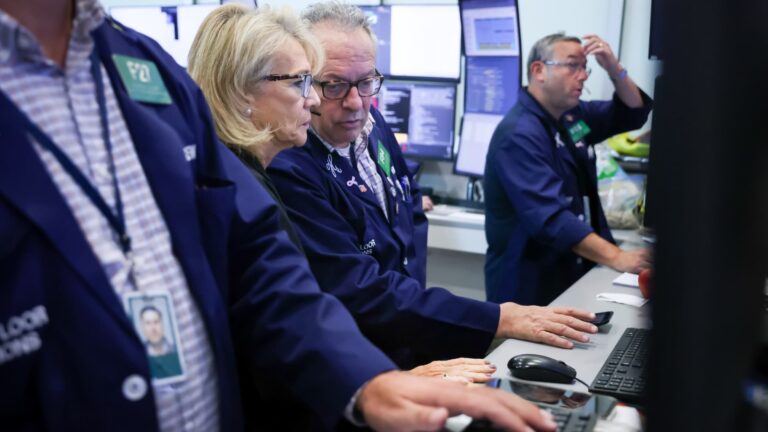
Investors appeared to be glass-half-full. The Dow closed at a record high, oil is sliding as the war premium drains away, even as Jamie Dimon warned that margin debt across financial markets has never been higher.
Earnings, everywhere, all at once
It’s another Super Thursday for results.
In Tokyo, SoftBank Group posted a profit beat, boosted by its stakes in Intel and TikTok-owner ByteDance. The report card also offers investors a first read on how Masayoshi Son’s AI bets weathered the tech turbulence.
In Germany, the defense industry takes center stage, with German arms maker Rheinmetall lowering its sales forecast for the year, and Renk’s reporting sustained order momentum.
Rounding out the docket, Commerzbank said its net profit jumped 94% in the second quarter, beating estimates, while Siemens reported its highest-ever quarterly industrial profit and new orders growth.
‘Commitments,’ with an asterisk
Iran says the U.S. is ready to “return to commitments,” while denying negotiations were ongoing with Washington, after President Donald Trump signaled a deal was in the making.
Deputy Foreign Minister Kazem Gharibabadi made the comments to state broadcaster IRNA on Wednesday, likely referring to the June 17 memorandum of understanding under which Tehran was to allow commercial vessels through the Strait of Hormuz free of charge for 60 days, in exchange for Washington lifting its naval blockade of Iranian ships.
Trump earlier this week accused Iran’s leaders of being “duplicitous” about peace talks, saying negotiations were underway “whether Iran wants to admit it or not.”
Pricing in peace
Futures tied to the Dow Jones Industrial Average rose early Thursday, after the blue-chip index closed at a record high and a fifth straight winning day. S&P 500 futures climbed 0.15%, while Nasdaq 100 futures were 0.19% lower.
Oil prices slipped on Thursday as investors assessed progress in the Iran-Oman talks, with the prospect of Hormuz reopening gradually eroding the war premium that dominated in July.
Fed ready to act
Fed Governor Lisa Cook said Wednesday that inflation is still too high and she is “prepared to act” on an interest rate hike.
Cook voted with the majority to hold last week — but her patience, evidently, has a shelf life.
“Inflation is too high, and I consider the risks to the inflation side of the dual mandate higher than the risks to the employment side at this point,” she said in a speech in Anchorage, Alaska. Markets see the central bank potentially acting as soon as September, per CME’s FedWatch.
Dimon’s leverage alarm
JPMorgan Chase CEO Jamie Dimon warned that leverage across financial markets remains elevated and that hidden borrowing could amplify disruptions.
“Margin debt is the highest it has ever been,” he told CNBC’s Leslie Picker, pointing to borrowing through prime brokerages, hedge funds, ETFs and Treasury arbitrage strategies.
He stopped short of calling it systemic, noting markets have generally absorbed isolated failures — but when the man running one of the world’s biggest banks starts itemizing where the leverage hides, it’s worth taking note.
Reshuffle in Google’s C-suite
Google announced a reshuffle of its AI divisions on Wednesday, with chief scientist Jeff Dean leaving after 27 years to start his own company, alongside Google senior fellow Sanjay Ghemawat.
Demis Hassabis is moving from Google DeepMind CEO to chairman of the unit and assuming the title of Alphabet chief scientist. The shake-up also includes promoting DeepMind technology chief Koray Kavukcuoglu to head of the AI division. Alphabet shares fell about 4% after the announcement.
— Anniek Bao
And finally…
Europe is blowing up riverbeds as an extreme drought wreaks havoc on its economy
The drought in Europe is so severe that it is jeopardizing countries’ economic growth and forcing them to take extreme measures like blowing up riverbeds.
Gripped by a summer of weather extremes, Romania recently shut down its sole working nuclear reactor cooled by the Danube for the first time, with Bucharest even deploying naval forces to carry out underwater detonations to improve water flow.
Images published Monday showed the Romanian navy blasting rocks in controlled explosions in Izvoarele village as part of a push to divert a higher volume of water toward the cooling systems of the Cernavoda Nuclear Power Plant.
Low water levels on the Danube have also threatened to close Hungary’s Paks nuclear plant, which supplies around 40% of the country’s electricity, and forced Serbia to cut hydropower generation.
— Sam Meredith