Shocking Update on Global Climate Policy Changes
Significant climate policy changes are taking shape across the globe, and these shifts could redefine how nations tackle climate challenges. As the world grapples with pressing environmental issues, understanding the latest developments is crucial for everyone on the planet.
Recent Developments in Climate Policy Changes
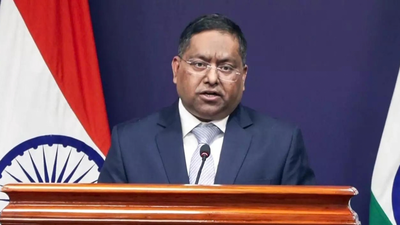
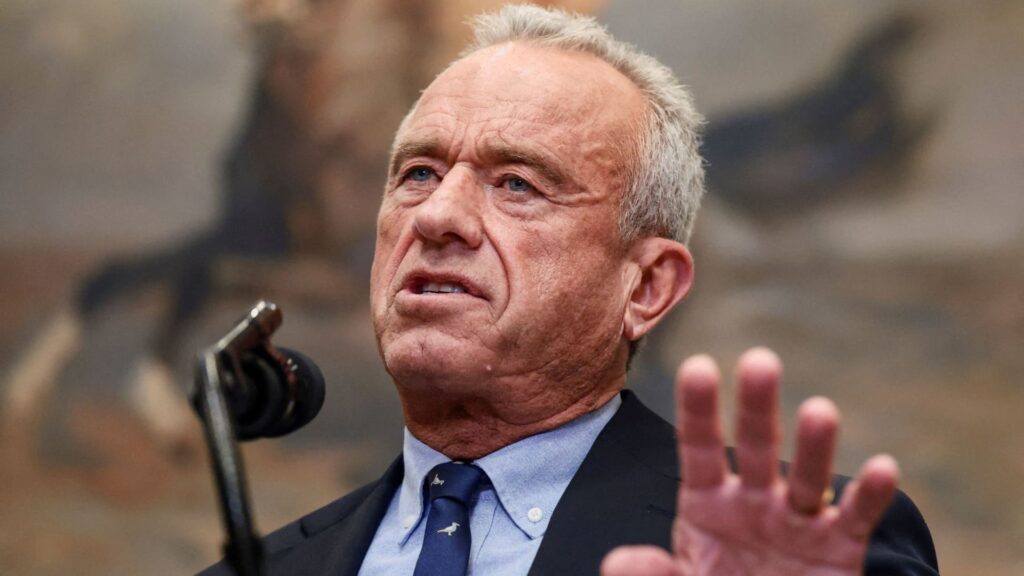
In a pivotal meeting, leaders from multiple countries convened to discuss innovative strategies for addressing climate change. Their conversations revolved around new climate policy changes aimed at enhancing environmental protection. Some nations are advocating for aggressive reforms while others suggest relaxing existing regulations. This diverse range of opinions indicates a dynamic shift in global climate governance.
Key Goals of the Climate Policy Changes
The primary objectives of these climate policy changes include:
- Limiting global temperature rise to below 2 degrees Celsius.
- Reducing carbon emissions significantly to prevent catastrophic outcomes.
- Promoting widespread adoption of renewable energy sources, such as solar and wind power.
- Increasing investments in green technologies, including electric vehicles.
- Fostering collaboration among nations to create effective climate strategies.
Why These Changes Matter for Our Future
The implications of these climate policy changes are profound. Stricter regulations can lead to improved air and water quality, benefiting public health and the environment. However, a move toward relaxed standards may trigger higher pollution levels and threaten ecosystems.
Understanding these shifts is pivotal as they illuminate potential future scenarios for our planet—whether we face a sustainable path or a deteriorating environment.
Expert Opinions on Climate Policy Changes
The response to these developments among experts is mixed. Some express optimism, believing that stringent climate policies can drive significant progress in combating global warming. They emphasize the importance of international cooperation to make a real impact.
Conversely, some experts caution that not all nations will commit equally to the new policies, raising concerns about the effectiveness of these initiatives. The need for a united front is essential to achieving true environmental stewardship.
Future Implications of Climate Policy Changes
The future of our planet hangs in the balance. If countries can fulfill their commitments to the new climate policy changes, we may witness transformative advancements in environmental health. However, failure to uphold these actions could result in devastating climate-related disasters, such as floods and droughts.
FAQ
What are climate policy changes?
Climate policy changes refer to new regulations and agreements that governments implement to mitigate climate change impacts and enhance environmental safety.
Why are climate policy changes important?
These policy changes are crucial as they contribute to improved air and water quality, helping to ensure a habitable planet for future generations.
How can individuals contribute to climate change mitigation?
Individuals can play a role by reducing waste, using less plastic, recycling, and opting for energy-efficient products. Every action counts in the fight against climate change.
What is the role of international cooperation in climate policy changes?
International cooperation is vital for creating effective climate strategies. Collaborative efforts facilitate sharing resources, technology, and best practices to combat climate challenges collectively.
Conclusion
In summary, the recent updates on climate policy changes hold profound implications for everyone on Earth. Staying informed and engaged with these developments can empower us to work towards a sustainable and healthier planet. Together, we can navigate these pivotal changes and ensure a brighter future for all living beings.