A woman walks past war-themed graffiti and murals painted on walls along the capital Tehran’s streets and avenues as air defense systems are activated during the night while daily life continues in the shadow of rising military tensions between the US and Iran on July 22, 2026 in Tehran, Iran.
Fatemeh Bahrami | Anadolu | Getty Images
A temporary hiatus to hostilities between the U.S. and Iran appeared to hold on Monday, after negotiations over a lasting peace faced fresh hurdles over the weekend.
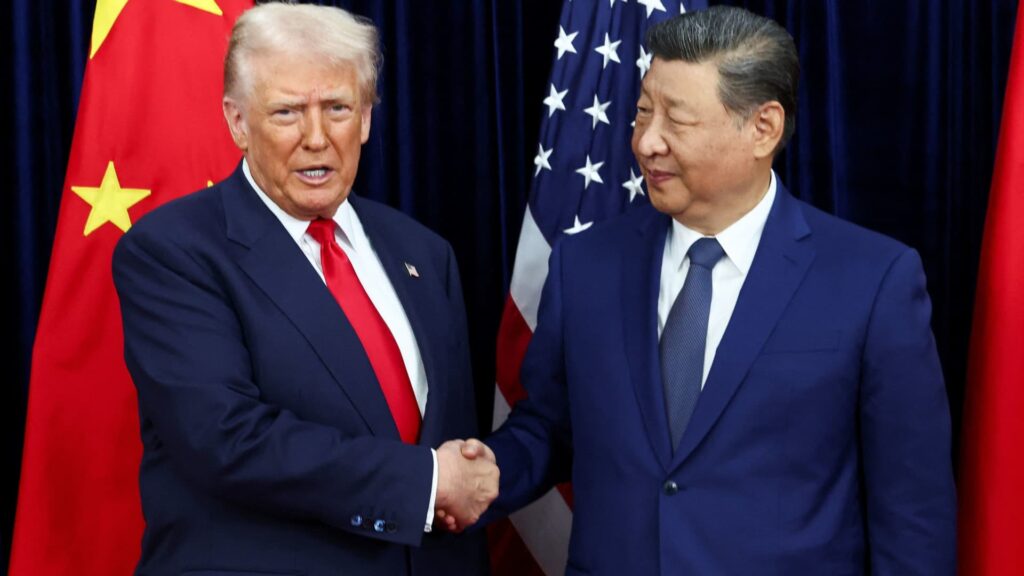
The U.S. military brought a halt to two weeks of strikes on Friday as diplomats sought to give peace talks “some space.” Iran, which has also refrained from military operations against regional targets in recent days, has said it will reciprocate following a China-led push to resume stalled diplomatic efforts in Pakistan.
However, other actors did undertake military action related to the conflict over the weekend, highlighting the risk of further escalation and the complex challenges facing negotiators.
The Saudi military conducted strikes on Iran-backed Houthi targets in Yemen following the rebel group’s attacks on Red Sea shipping in recent days.
Meanwhile, the Ukrainian military reportedly struck an Iranian commercial vessel in the Caspian Sea, killing one sailor and injuring another. Kyiv said the vessel was being used to transport military cargo supporting Russia’s invasion of the country, while Tehran decried the attack as a “hostile and criminal act.”
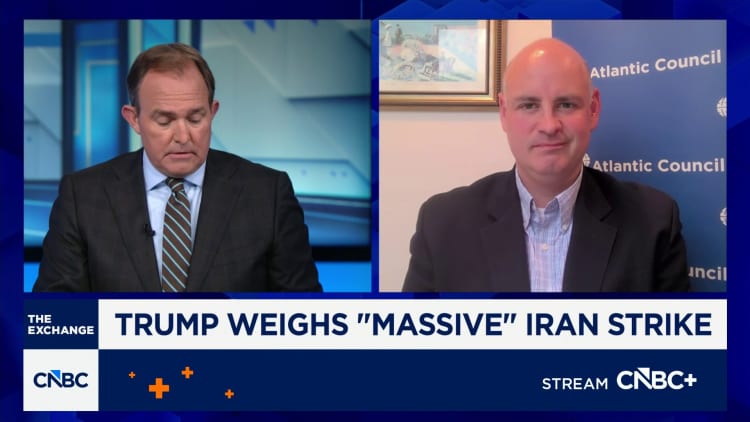
Nevertheless, investors were cheered by the pause in hostilities, which followed not long after the White House was said to be considering a “massive attack” on Iran. Oil prices plunged by around 6% early on Monday as futures markets pointed to strong performance on Wall Street.

The challenge facing negotiators
But experts caution that prospects for a lasting peace face serious challenges. Negotiators must first agree on controversial topics, such as the future of Iran’s nuclear program, sanctions relief and Tehran’s support for its proxy groups in the Middle East.
From an economic perspective, the most important negotiating point will be guarantees of maritime security and the return and normalization of toll-free, two-way traffic flows through the strategically vital Strait of Hormuz.
The strait, through which a fifth of global oil supply flowed before the conflict, remains closed as the U.S. maintains its ongoing blockade.
Oman, which sits on the opposite side of the strait to Iran, has emerged as a key player in negotiations. An Omani delegation was reportedly in Tehran on Friday and Saturday in efforts to negotiate a provisional arrangement to manage the transit of shipping through the waterway.
Both sides have described the ongoing talks as constructive, but analysts warn that normalization of traffic is unlikely in the short-term.
“The main market risk remains the energy and shipping front,” Deutsche Bank analysts wrote in a Monday note. “Traffic through Hormuz remains severely disrupted, while the conflict has broadened into the Red Sea.”
“This raises the prospect of simultaneous disruption to both Gulf and Red Sea export routes. So a welcome pause from the main actors but a fragile one, especially with side battles still ongoing.”