This is CNBC’s Morning Squawk newsletter. Subscribe here to receive future editions in your inbox.
Happy Thursday. If our minds weren’t already racing thanks to wildfire smoke and the cyclospora outbreak, we may also need to worry about rouge artificial intelligence agents.
Stock futures are falling this morning after a down day for Wall Street.
Here are five key things investors need to know to start the trading day:
1. ABCs
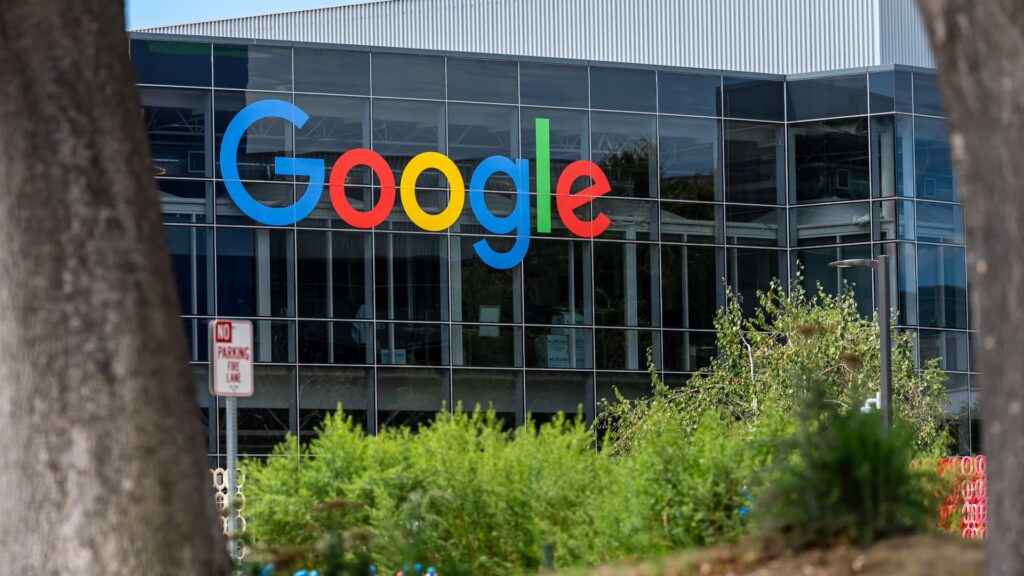
The Google headquarters in Mountain View, California, US, on Tuesday, July 21, 2026.
David Paul Morris | Bloomberg | Getty Images
Shares of Alphabet and Tesla are lower before the bell after the companies reported quarterly results on one of the sector’s first key earnings days this season. Despite revenue beats for both technology giants, Wall Street appeared more focused on — and concerned by — their artificial intelligence spending.
Here’s what to know:
- Alphabet said its cloud revenue jumped 82%, but the Google parent’s plan to lift capital expenditures again put downward pressure on shares. The stock is down 5% before the bell.
- Tesla significantly missed Wall Street’s earnings per share estimates for the second quarter. The company’s shares dropped more than 7% in extended trading.
- Shares of IBM, which cratered last week following an earnings warning, are also lower this morning after weaker-than-expected results for the quarter. IBM CEO Arvind Krishna’s will join CNBC’s “Squawk on the Street” at 10 a.m. ET. Watch live here.
- Stock futures are pulling back this morning as investors parse through the latest reports. Follow live markets updates here.
2. Weight of war
Customers pump gas at a Freedom Fuel Network station on July 8, 2026 in Dresher, Pennsylvania.
Joe Lamberti | Getty Images
Oil prices are up nearly 5% this morning following reported attacks on tankers off the coast of Saudi Arabia. The gains put U.S. West Texas Intermediate crude futures back above the $90 per barrel mark, their highest level in more than a month.
As CNBC’s Matt Peterson writes, rising gasoline and diesel prices are set to weigh on Americans’ standard of living this summer. The U.S. Energy Information Administration’s diesel benchmark posted its biggest weekly jump since early March last week — a particularly concerning sign, since diesel price can affect prices across the economy.
3. Schoolhouse rock
The U.S. Capitol building is seen on March 27, 2026 in Washington, DC.
Samuel Corum | Getty Images
The House of Representatives passed legislation yesterday that would block members of Congress from purchasing individual stocks while in office. The bill, named the Stop Insider Trading Act, now heads to the Senate.
As CNBC’s Justin Papp notes, there is widespread public support for a ban on congressional stock trading. But while more than a dozen Democrats voted in support of the GOP-led bill, others in the party said the legislation doesn’t go for enough to stop all stock trading.
Meanwhile, the Senate is considering an updated bill that would bar presidents and other federal officials from sponsoring cryptocurrency and other digital assets. President Donald Trump has signed off on the ethics section of the bill, according to Sen. Bernie Moreno, R-Ohio.
Get Morning Squawk directly in your inbox
4. Tale of two timelines
Jakub Porzycki | Nurphoto | Getty Images
European Union antitrust regulators gave the green light to the proposed Paramount–Warner Bros. Discovery merger yesterday. The approval comes as the deal faces delays in the U.S. thanks to a lawsuit from a group of state attorneys general.
The European Commission said Paramount, in order to receive its approval, agreed to divest its stake in a film distribution joint venture in Europe with United International Pictures. The entertainment giant also said it wouldn’t enter into a distribution deal with Universal in the continent over the next 10 years.
In other media news, Comcast beat estimates this morning and said that NBCUniversal’s streaming service, Peacock, reached profitability for the first time. The company is preparing to spin off its media businesses.
5. More cuts
A worker sorts packages on Amazon Prime Day in New York, US, on Tuesday, July 8, 2025.
Klaus Galiano | Bloomberg | Getty Images
Amazon is laying off more workers, this time in its generative artificial intelligence unit.
The ecommerce giant declined to say how many staffers or what parts of its AGI business were affected. An Amazon spokesperson told CNBC that “we’re sharpening our focus on the initiatives that matter most for customers, so we can move faster on what counts.”
As CNBC’s Annie Palmer notes, the Washington-based company has downsized in recent years after a hiring surge during the pandemic. The headcount cuts also come as Amazon spends big on building out AI infrastructure.
The Daily Dividend
CNBC’s Steve Liesman analyzed Federal Reserve Chair Kevin Warsh’s most-used phrases across five recent public appearances. Here are the three that kept coming up, and how many times the Warsh used them:
- “Family fight”: 13
- “First principles”: 11
- “Inflation is a choice”: 6
— CNBC’s Samantha Subin, MacKenzie Sigalos, Jordan Novet, Jonathan Vanian, Lora Kolodny, Tanaya Macheel, Matt Peterson, Pippa Stevens, Spencer Kimball, Emily Wilkins, Lillian Rizzo, Annie Palmer and Steve Liesman contributed to this report.
Luke Fountain assisted in the production of this newsletter. Josephine Rozzelle edited this edition.